

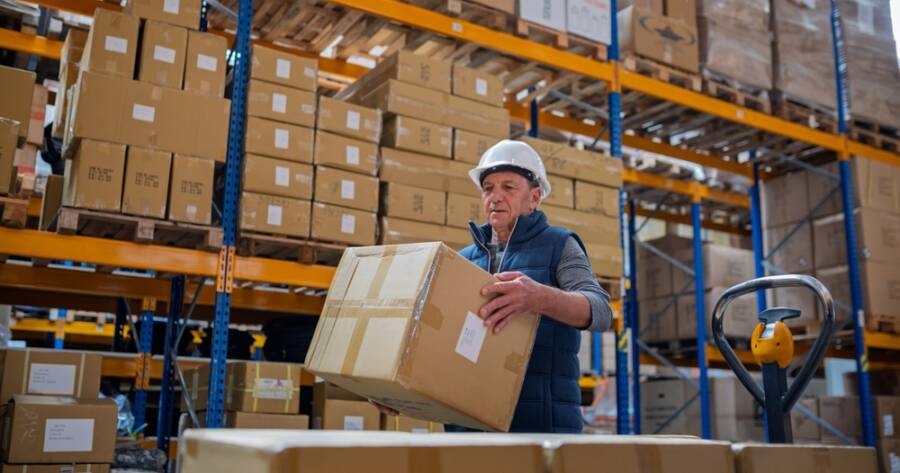
Warehouse jobs are pivotal in the logistics and supply chain sectors, driven by the surge in online shopping and delivery services. Knowing the diverse roles within a warehouse is essential for optimizing operations and strategic planning. Understand the key responsibilities, skills, and career advancement opportunities that make warehouse positions both dynamic and rewarding.
The Importance of Understanding Varied Roles in Warehouse Jobs
Warehouse jobs are integral to the logistics and supply chain industry, playing a crucial role in ensuring that goods are received, stored, and dispatched efficiently. The rise of online shopping and home delivery services has significantly increased the demand for warehouse workers, leading to higher pay and more job opportunities across the country (source).
Exploring the varied roles within a warehouse is essential for optimizing operations and strategic planning, as each position contributes uniquely to the overall efficiency of the warehouse environment (source).
Key Roles and Responsibilities in Warehouse Jobs
Warehouse jobs are diverse, encompassing roles such as Warehouse Associate, Loader, Clerk, General Laborer, Shipping & Receiving Associate, Material Handler, Forklift Driver, and Machine Operator (source). Each of these roles has specific responsibilities and skill requirements. For instance, Warehouse Associates are versatile workers responsible for tasks like inventory management, labeling, and invoicing, requiring skills in physical fitness, organization, and communication. Warehouse Loaders focus on packing items for safe transport, emphasizing the importance of safety protocols, physical fitness, and basic computer skills.
Warehouse Clerks handle communication with customers and staff to ensure accurate order processing, requiring skills in customer service, attention to detail, and computer proficiency. General Laborers perform varied tasks, making it an ideal role for those with a broad skill set or seeking flexible work (source). Shipping & Receiving Associates ensure accurate processing and shipment of items, involving data entry, record-keeping, and teamwork.
Skills and Qualifications for Warehouse Workers
Essential skills and qualifications for warehouse workers include a high school diploma, physical capabilities, attention to detail, basic math skills, and the ability to work in a physically demanding environment. Preferred qualifications may include prior experience, proficiency in warehouse management systems, and certifications in equipment operation (source). For example, Forklift Drivers require specialized training and licensing to safely operate machinery for moving inventory, emphasizing safety, attention to detail, and organizational skills (source).
Warehouse workers are also required to have specific skills and qualifications, such as proficiency in operating forklifts, strong problem-solving abilities, and the physical capability to handle demanding tasks. The role demands a positive work history, solid attendance, and the ability to work extended hours, highlighting the importance of reliability and dedication in warehouse operations (source).
Opportunities for Career Advancement
Warehouse roles offer significant opportunities for career advancement. Many managers start in entry-level positions and progress through roles such as lead hand and supervisor. The Warehouse Manager is responsible for overseeing all warehouse activities, ensuring safety protocols, maximizing productivity, and maintaining efficient operations. They play a crucial role in strategic planning, staff management, and budget oversight (source).
The Warehouse Supervisor coordinates daily operations, ensuring smooth workflow and adherence to safety regulations. They work closely with the Warehouse Manager to implement strategic plans and improve operations. Specialized roles such as Warehouse Specialists and Inventory Clerks focus on specific tasks like receiving, shipping, and inventory management, contributing to the overall efficiency and accuracy of warehouse operations (source).
Why You Should Learn More About Warehouse Jobs
Understanding the varied roles in warehouse jobs is crucial for anyone interested in pursuing a career in this field. Each role contributes uniquely to the efficiency and success of warehouse operations, and there are significant opportunities for career advancement.
With the increasing demand for warehouse workers due to the rise of online shopping and home delivery services, now is an excellent time to explore the diverse opportunities available in this industry. By gaining a comprehensive understanding of the responsibilities and skills required for different warehouse roles, individuals can better position themselves for success in this dynamic and growing field.